

- Home
- Investors Centre
- Sustainability
- Talent
- News
- Insights
- TH!NK
- Corporate Governance
- Who we are
- Board of Directors
- Community
- MCB Offices
Contact Info
Beyond Equal Pay: Building a Workplace Where Everyone Belongs
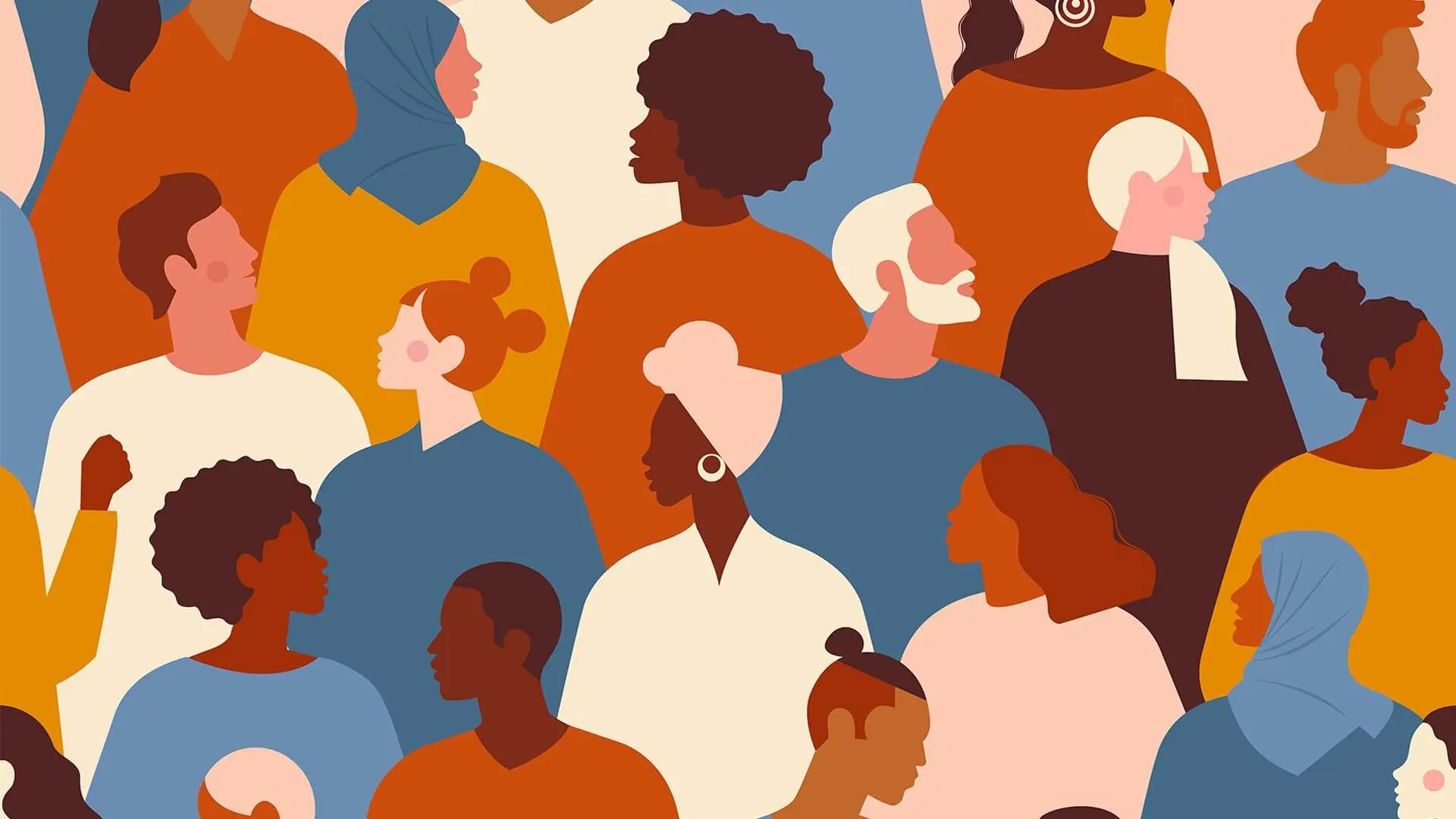
- MCB became the first African bank to obtain the EQUAL-SALARY certification. But, that step is only part of our journey
- Equal pay is about more than remuneration. Creating an inclusive workplace also means ensuring access to development and growth
- Inclusion happens through everyday experiences, from Employee Resource Groups to inclusive leadership
As organisations continue to advance their diversity, equity and inclusion efforts, equal pay is no longer seen simply as a compliance requirement. Increasingly, it is recognised as a reflection of fairness, trust and the kind of culture an organisation chooses to build.
To mark International Equal Pay Day, we spoke with MCB's Diversity and Inclusion Lead, Shakila Badouraly, about what equal pay means in practice, how it fits into the Group’s broader DEI journey and why the journey extends far beyond certification.
Equal pay remains a global challenge
Despite significant progress in recent years, pay disparities continue to exist across industries, sectors and countries. Gender pay gaps remain a reality in many workplaces and often reflect broader challenges related to career progression, representation and access to opportunities.
For organisations committed to building a fair and inclusive workplace, addressing pay equity is about more than remuneration. It is about ensuring that people feel recognised, valued and treated fairly throughout their careers.
"People want to know that their contribution matters and that they have a fair opportunity to succeed," says Shakila. "Equal pay is an important part of that equation, but it is only one part."
More than a certification
In 2024, MCB became the first African bank to obtain EQUAL-SALARY certification issued by the EQUAL-SALARY Foundation, and has since successfully maintained this internationally recognised benchmark. The certification represents an important independent validation of MCB's commitment to pay equity and transparency, while providing a clear framework for continuous improvement. As Shakila highlights, however, the value of the certification goes beyond external recognition.
"The certification provides an important benchmark but what really matters is the conversation it encourages. It pushes us to continuously examine our practices and ask ourselves whether fairness is truly being experienced across the organisation."
The certification process combines data analysis with employee interviews and focus groups, providing a more complete picture of how fairness, career opportunities and inclusion are experienced in practice.
Looking Beyond Equal Pay: Equity Through a Wider Lens
One of the key lessons from MCB's certification journey has been the importance of viewing equity more holistically. While fair remuneration remains essential, creating an inclusive workplace also means ensuring that opportunities for learning, development and career progression are accessible to all.
For Shakila, inclusion is ultimately about creating an environment where everyone has the opportunity to contribute and grow.
"Fairness is not only about how people are rewarded. It is also about whether they feel supported, heard and given the opportunity to reach their full potential."
This commitment is reflected in MCB's DEI Charter, which sets out the Group's ambition to create a workplace where every individual feels valued, respected and empowered to thrive, in line with its purpose, Success Beyond Numbers.
Giving employees a voice
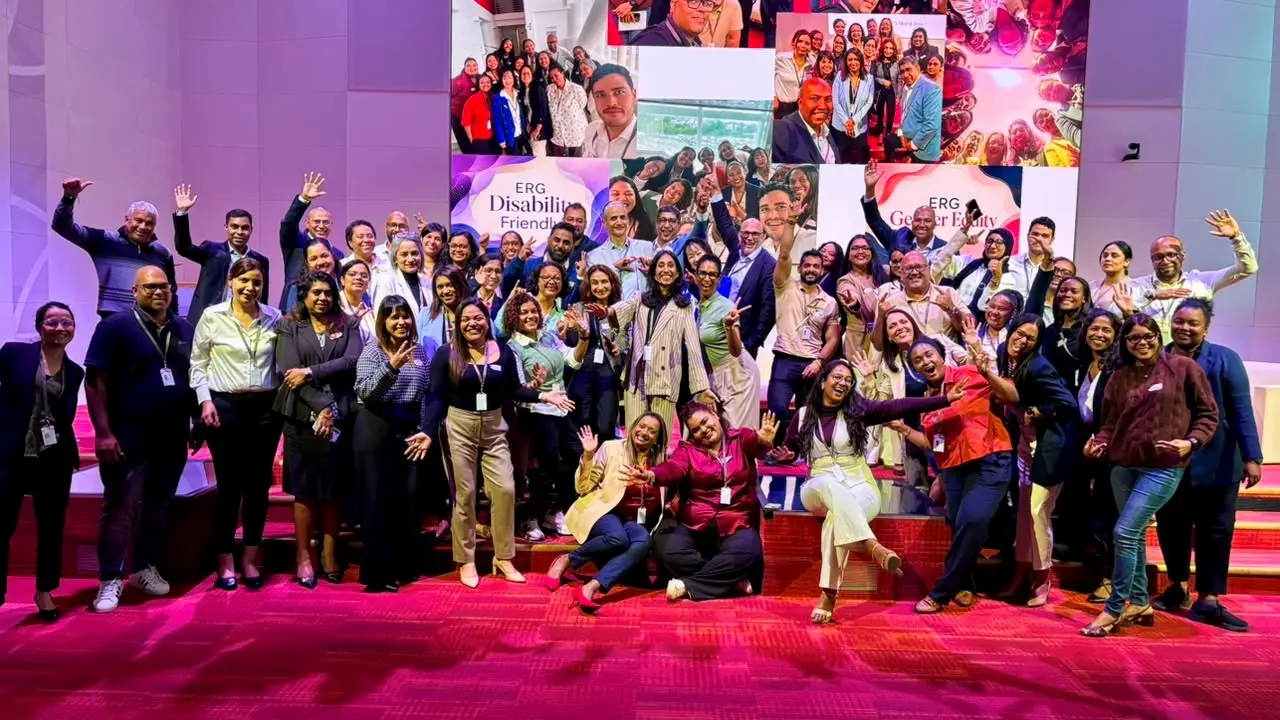
Creating an inclusive culture cannot be achieved through policies alone. It also requires ongoing dialogue and opportunities for employees to actively contribute to shaping the workplace experience.
At MCB, Employee Resource Groups (ERGs) play an important role in bringing different perspectives to the table. Led by employee volunteers and supported by members of the Leadership Team, the groups focus on three important dimensions on inclusion: Gender Equity, Disability Friendly, and Belonging. They provide a platform for colleagues to share experiences, raise awareness and shape initiatives that matter to them.
"Our Employee Resource Groups help turn inclusion into something tangible," says Shakila. "They create spaces for meaningful conversations and remind us that everyone has a role to play in building a culture where people feel they belong."
What's next?
For Shakila, the next chapter of MCB's DEI journey is clear. "The real measure of success is not only about meeting compliance standards or maintaining certifications. It is about broadening the conversation beyond gender and applying principles of fairness, equity and inclusion across the entire employee experience.”
That means continuing to strengthen inclusive leadership, foster psychological safety and ensure equitable access to opportunities across the organisation.
Equal pay will remain an important pillar of that vision. But its real value lies in what it helps create: trust, fairness and a workplace where people can be themselves and do their best work.
Because ultimately, inclusion is not defined solely by policies, metrics or certifications. Its true measure lies in the everyday experience of employees and in creating an environment where everyone feels they belong.


Recent Articles

.webp?sfvrsn=91532dc8_1)
TH!NK



Subscribe to our Email Alerts
Stay up-to-date with our latest releases delivered straight to your inbox.
Contact
Don't hesitate to contact us for additional info
Email alerts
Keep abreast of our financial updates.